
If someone asked me to choose just one book for the rest of my life, first I’d freak out {I’d say I want at least ten} but then I’d probably pick this one:
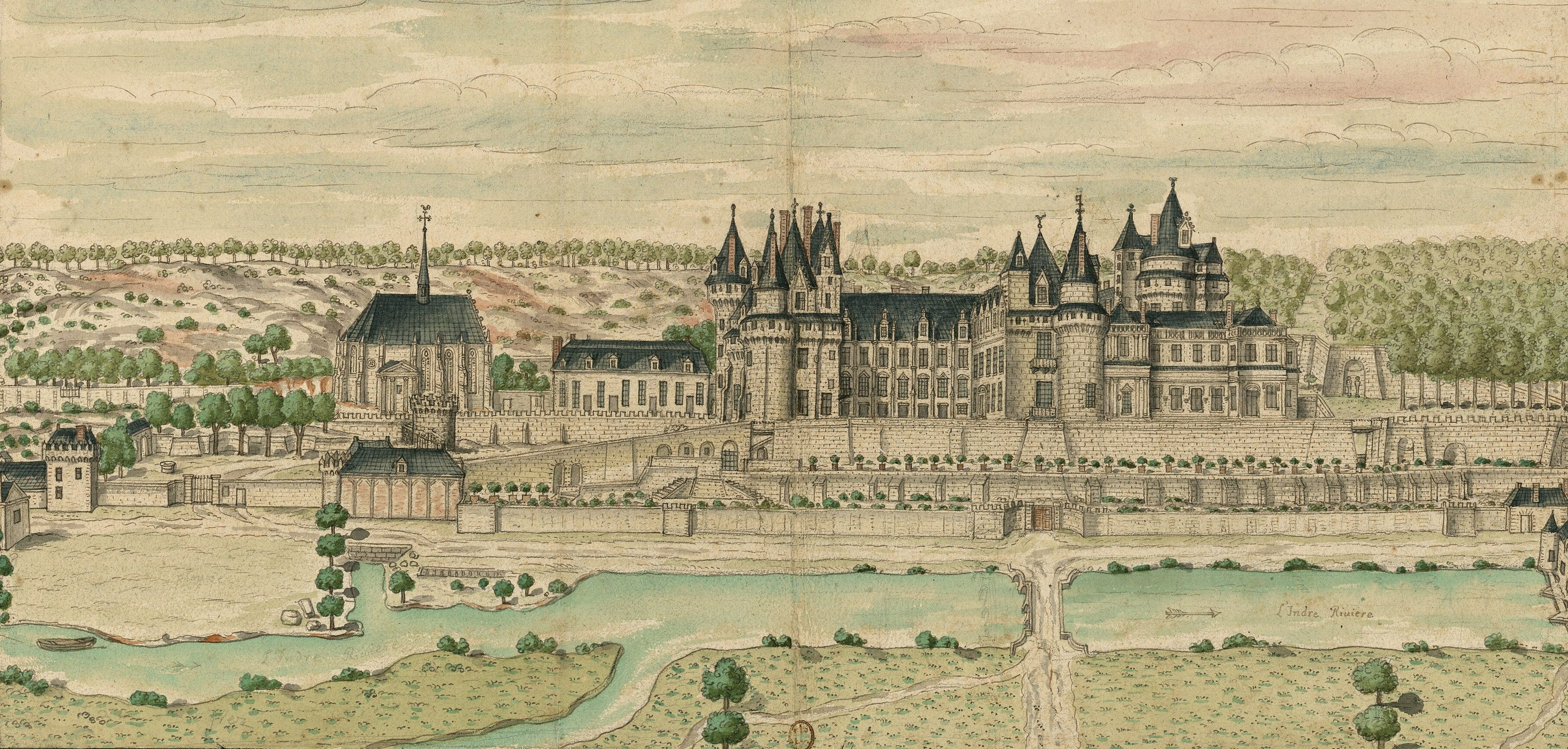
Montaigne’s Essays
I wouldn’t call it the best book, but it’s the book in which the author truly lives through the text. It feels like he’s speaking directly to you. So if I had to choose, it would be this one. It’s also huge, around 1,900 pages, and in many places you’ll agree, disagree, argue, or do whatever you’d do with a person over coffee.
Really, when I first opened it and read the early pages, it was like meeting someone who slowly became a friend, a best friend, everything. You learn everything about him, from what he ate to how he went to the toilet [when I say everything, I mean everything].
Especially during stressful periods, Montaigne was a rock, a helper, a companion.
At some point, I simply enjoyed putting on my favorite music from that time, John Coltrane & Duke Ellington, In A Sentimental Mood. Pure love.
I’d sit in the armchair, just read, converse with the book, and then go tell my wife what we’d “discussed,” where I’d disagreed, and so on. Crazy moments…
And just when you thought it was tiring you, because it jumps from topic to topic mercilessly, I realized something:
Through the Essays, Montaigne managed to turn ordinary, logically mundane life into art. It’s incredible how beautiful he presents all of this.
That’s also where I understood, or at least found, the level of self-knowledge I’ll try to reach (though probably never will). Montaigne shows us that we shouldn’t fear change; on the contrary, we should embrace it. One moment he’s a fanatical Epicurean, the next a Stoic, and he ends up as a devout Christian.
And that’s probably how it is, that’s how we all are. No single label can define any human being.
Most likely, if you ever start reading it, know that we’re talking about a book you’ll return to for a whole lifetime, and about a person you’ll probably come to regard as a friend (I hope).
P.S. I’m not very objective about this book.
Continue the Journey
Subscribe to receive future issues.
If you’d like to support the work behind Monday Steps, you can buy me a coffee.