
“We swallow greedily any lie that flatters us, but we sip only little by little at a truth we find bitter.”
We are in pre-revolutionary France. This book is not published when it is written, but only a few years later, after Goethe translates it.
Equality is not a given in that era. People of various talents and gifts find themselves in the unfortunate position of having to choose between dignity and food.
It’s simply that some were chosen to be better than us. We observe the limits of the establishment’s futile struggle to repel external influences. Of course it cannot and of course you cannot. It’s not that you lack talent, it’s that you cannot transform it into bread.
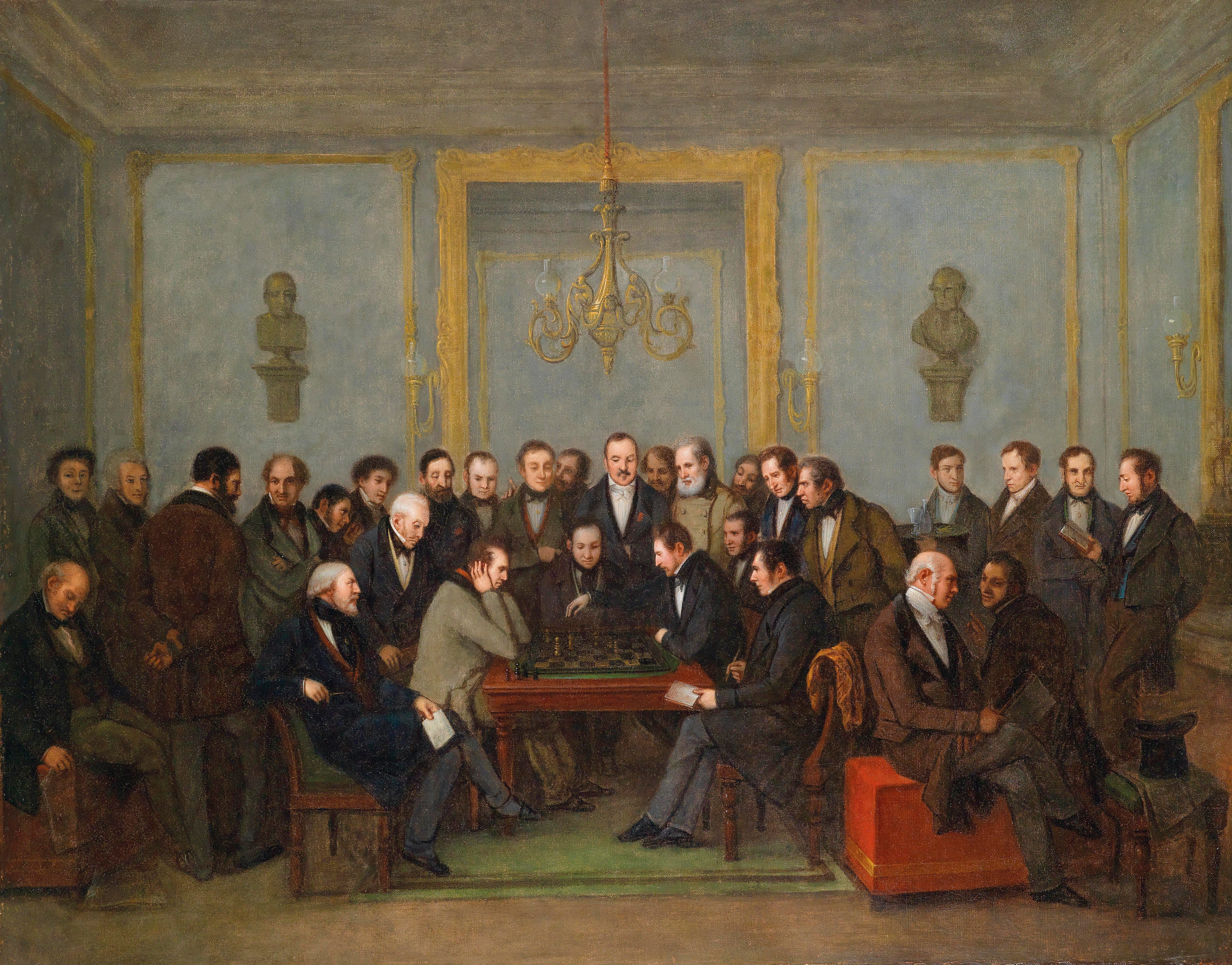
You meet a supposed philosopher in Café de la Régence, one of the trend spots of the time. He measures your character, keeps asking you questions, and quizzes you about your virtue. Obviously, he (the philosopher) cannot refute the fact that life is extremely unjust for you and that many people in this world cannot hold their heads high. Still, he advises you according to his own standards and recommends that you behave like Diogenes. But you choose to follow your own path.
We are talking about a fascinating and satirical dialogue about art and morality. The eccentric nephew of the famous composer Jean-Philippe Rameau appears deeply distrustful of humanity, yet willing to sell himself for a plate of lentils.
And yet, he is so honest that it is impossible to consider him fake or a fraud. Together with the philosopher he converses with, sometimes even you don’t know how to react to his attacks, you might laugh, you might be outraged. Even today, there are many such young people.
And even the supposed philosopher (Diderot himself, perhaps?) doubts, gets confused, and wonders whether he is the one thinking wrongly, or whether the new generation has no hope.
Then there was a revolution; now?
Continue the Journey
Subscribe to receive future issues.

If you’d like to support the work behind Monday Steps, you can buy me a coffee.