

“In a real dark night of the soul it is always three o’clock in the morning, day after day.”
Among F. Scott Fitzgerald’s last publications was a series of short essays published in Esquire from 1931 to 1936. The titular piece, The Crack-Up, relates to the disillusionment he felt about his life up to that point, at age 39, just four years before his death.
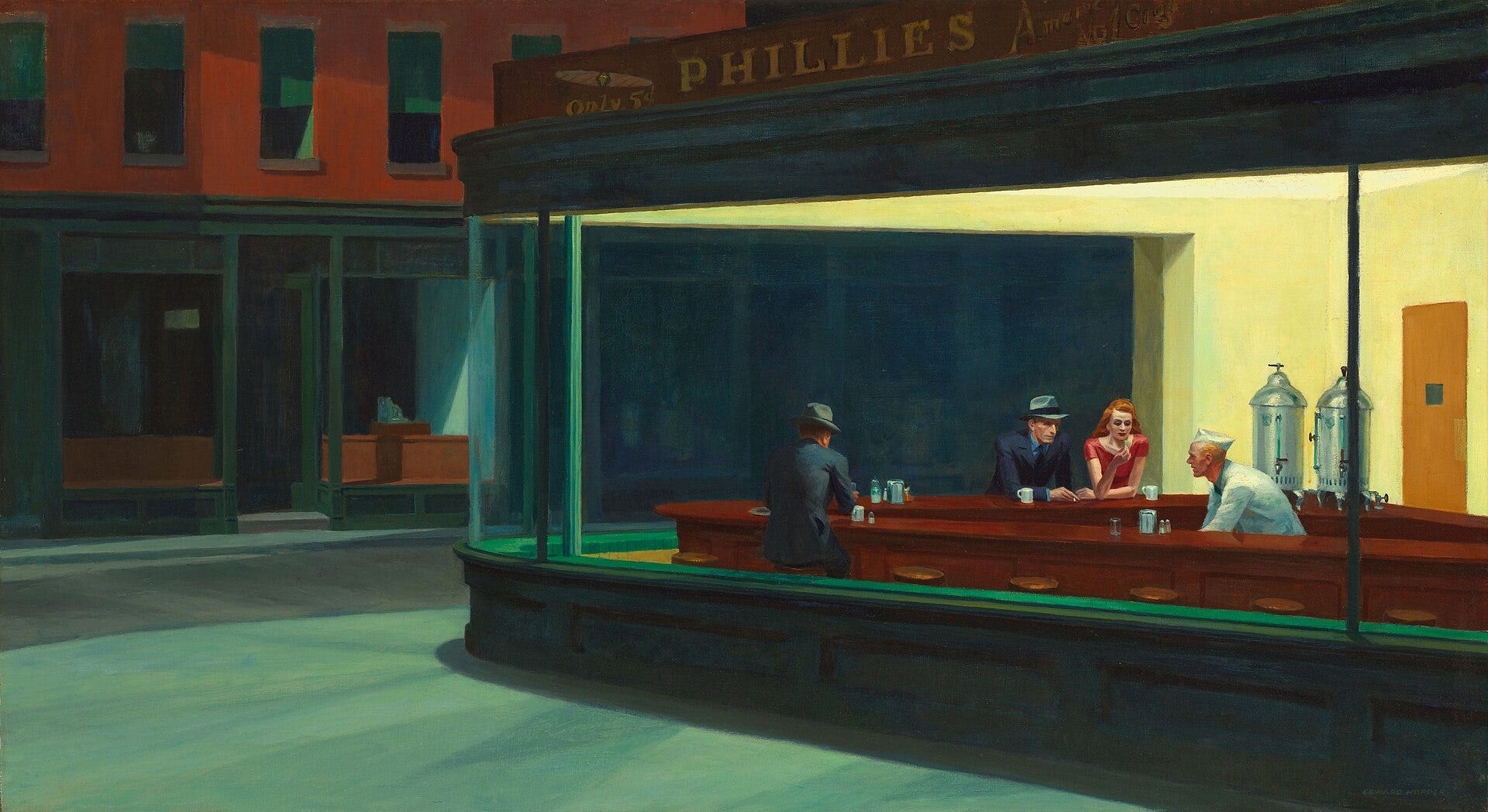
“I was always saving or being saved, in a single morning I would go through the emotions ascribable to Wellington at Waterloo.”
As someone who had known enormous fame and success at a young age, but then came a day when all his books were out of print, The Crack-Up can be read as a social commentary, emphasizing the shallowness of the reckless hedonism and materialism that characterized that era. Fitzgerald examines the high social expectations and his struggle to maintain the image of a successful man.
Fitzgerald documents the breakdown he felt and how it made him feel less of a person. A breakdown like a crack in a pitcher, something that renders it practically useless, except for storing various objects, while you end up putting the flowers in a glass instead. There are breakdowns, as the writer notes, that are obvious (sudden changes, such as an illness or an injury), and there are breakdowns that happen without us realizing it, and these are the underground ones, the ones that truly bleed you dry.
“A man does not recover from such jolts, he becomes a different person and, eventually, the new person finds new things to care about.”
Continue the Journey
Subscribe to receive future issues.
If you’d like to support the work behind Monday Steps, you can buy me a coffee.