

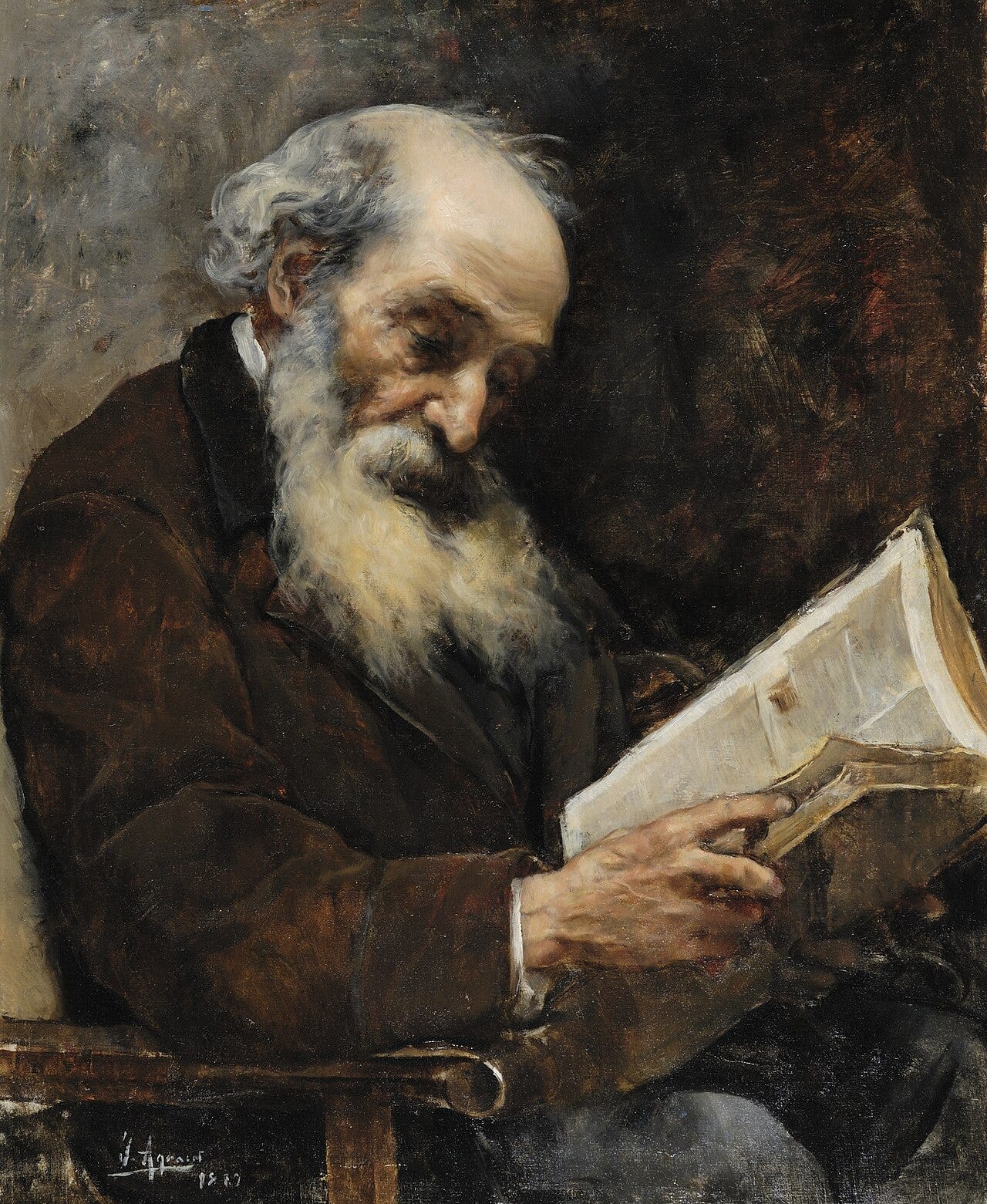
For the past two years, I have been teaching in an Information Technology department at the post-secondary level (in other words, at a vocational school) specifically in the field of networking. It was there that something happened to me which changed my entire life. I met a man who was around 70 years old, and logically, your first thought would probably be that he was a colleague or perhaps even the director. But no. He was one of my students. When he first entered the classroom, I genuinely thought he was a colleague.
Once we began the lessons, he was very sociable and immediately took on a leadership role in the classroom. That was understandable, considering that he was in a class with an average age of 25. He is a man who has done everything. He worked on ships when he was young; for a period of time, he was a professional farmer and a successful one at that. Later, as he grew older and took part in various competitions, he eventually became the director of one of the largest banks. An incredible story, especially when you heard him tell it himself.
And now, at around 70, he was my student. In fact, he was the most diligent one. I should also mention that every day he drove for 40 minutes to attend the lesson.
At some point, after we had, in a way, grown closer, I asked him the following question:
“How did you come to make this choice? How do you continue learning, especially while taking on such a demanding role?”
His answer astonished me.
He believed that he lived in order to learn, that he followed the path of the ancient Greeks, and that there was always a way to learn something new. His grandchildren were also a source of motivation, because he wanted to show them that learning does not end with school.
He also explained to me that, for a long time, he had regarded two concepts as one: learning and cultivation. He had come to understand the distinction during the last 10–15 years. In fact, during the breaks, he once told me something exceptional:
“Education gives us knowledge; cultivation determines the way in which knowledge will change us.”
So I asked him what I should do, and he replied:
“Be humble. Admit that you are wrong and that there are things you do not know. We are all co-creators of society and of our environment, so we must be careful about what we say and what we do. We should continue to be children and show the same curiosity throughout our lives.”
Technology can help us examine results and compare them, but it will not help us decide what kind of people we will become or what way of life we will choose for ourselves.
Continue the Journey
Subscribe to receive future issues.
If you’d like to support the work behind Monday Steps, you can buy me a coffee.